

Every October in Door County, the weather gives you a polite heads-up. It’s usually a cold morning, a frosty windshield, or a garden hose that’s gone stiff as a broom handle. It doesn’t say “winter is coming” so much as “winter has already left the house and is just finding its keys.”
So this is the time of year when the farm to-do list stops being a list and turns into a long scroll. Some of it is glamorous (planting garlic, which feels like hiding treasure). Most of it isn’t (scrubbing waterers, which feels like hiding nothing, very slowly). Here’s what’s on the October list around here, plus the why behind each one, in case you’re staring down your own Wisconsin winter with a flock and a garden that both seem to think it’s still July.
The Flock: Water Is the Whole Game
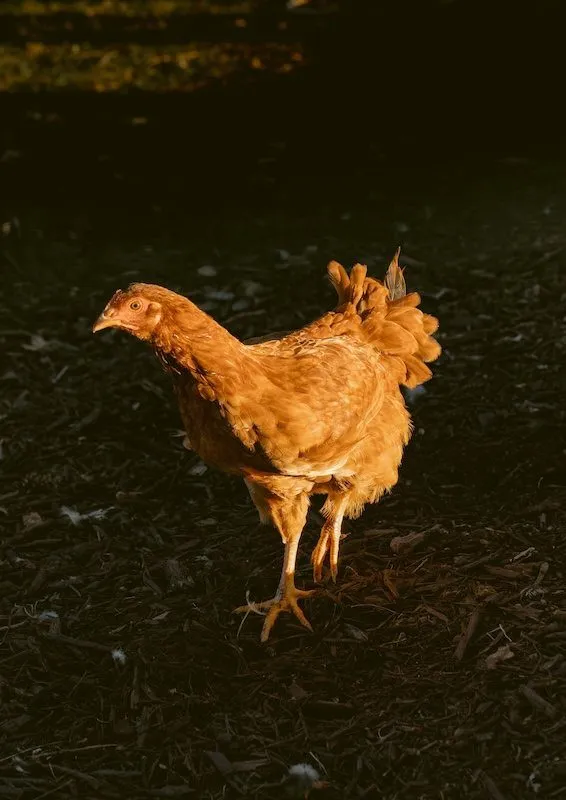
If you keep birds through a northern winter, you learn quickly that cold isn’t really the enemy. Chickens wear a down coat they never take off. Geese act like a blizzard is a mild inconvenience that should apologize to them. The real problem is water, because water has a habit of becoming ice, and ice is notoriously hard to drink.
The fix is a heated waterer, or a heated base under a metal waterer, plugged into an outdoor-rated cord. October is the month to dig those out, plug them in, and make sure they still work. That way you find out now, on a pleasant afternoon, instead of at 6 a.m. in January with a hammer in one hand and a frozen block of regret in the other.
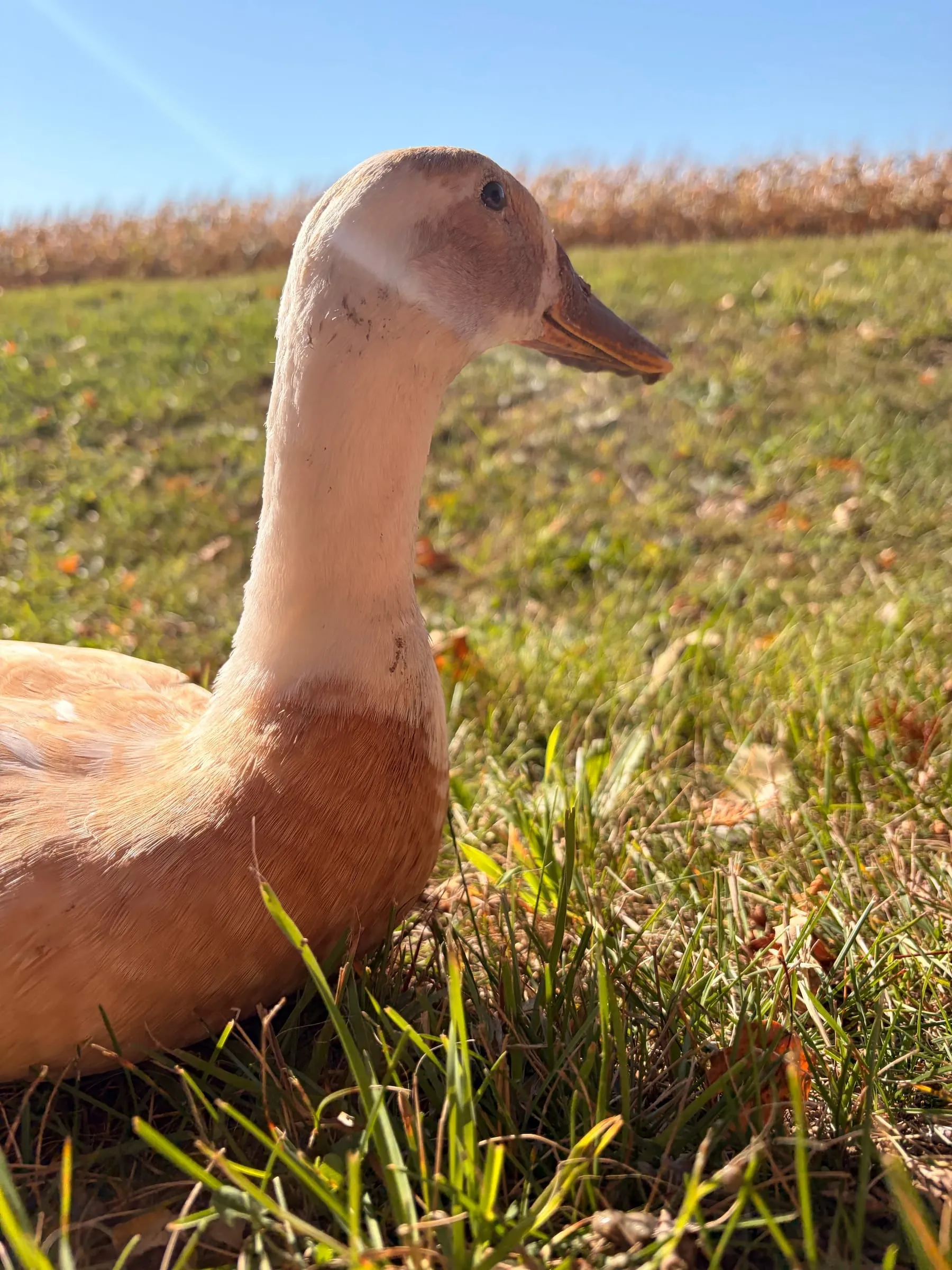
Ducks add a twist. They don’t just drink water. They need to dunk their whole head in it to keep their eyes and nostrils clean, so a shallow chicken nipple waterer won’t cut it. They need something deep enough to get their bill and face into. They will then splash half of it onto the floor, which then freezes, which then becomes a duck-sized ice rink. That’s not a design flaw. That’s ducks.
Ventilation Beats Insulation (Yes, Really)
Every first-time chicken keeper has the same instinct in fall: seal the coop up tight so the birds stay warm. It’s a sweet thought. It’s also how you get frostbite.
Birds breathe out a surprising amount of moisture, and their droppings add more. In a sealed coop, all that humidity hangs in the air and settles on combs and wattles, and damp cold is what actually freezes tissue. Dry cold is just Tuesday. So the goal isn’t a cozy, airtight box. It’s a draft-free roosting area with plenty of ventilation up high, above the birds’ heads, where the warm wet air can escape.
While we’re on the subject: skip the heat lamp. Coops are full of dry bedding, dust, and feathers, which is basically a kindling starter kit. Cold-hardy breeds handle Wisconsin winters fine without supplemental heat as long as they’re dry and out of the wind. A heat lamp fire would be one way to ensure no one in the coop is cold ever again, but not in a good way.
Bedding, Molting, and the Great Egg Slowdown
Fall is a good time to refresh bedding and decide whether you’re going the deep litter route for winter. Deep litter means you keep adding fresh material on top and turning it now and then instead of cleaning it all out. Done right, the bottom layers start to compost, which gives off a little gentle heat and makes a great garden amendment come spring. Done wrong, it smells like a decision you’ll be thinking about for a while. The trick is keeping it dry and turning it often enough that it never gets packed and soggy.
You’ll also probably notice the egg basket getting lighter. That’s not your hens staging a protest (probably). Two things happen in fall. First, the days get shorter, and hens need a long stretch of daylight to keep laying steadily. Second, a lot of birds molt, dropping old feathers and growing new ones, which takes a lot of protein. Molting birds look like they lost a fight with a pillow. A little extra protein helps, and so does patience. They’ll come back around as the days lengthen.
Some folks add a light on a timer to keep laying going through winter. Others let the hens take the season off. There’s no wrong answer, but it’s worth deciding on purpose rather than by accident.
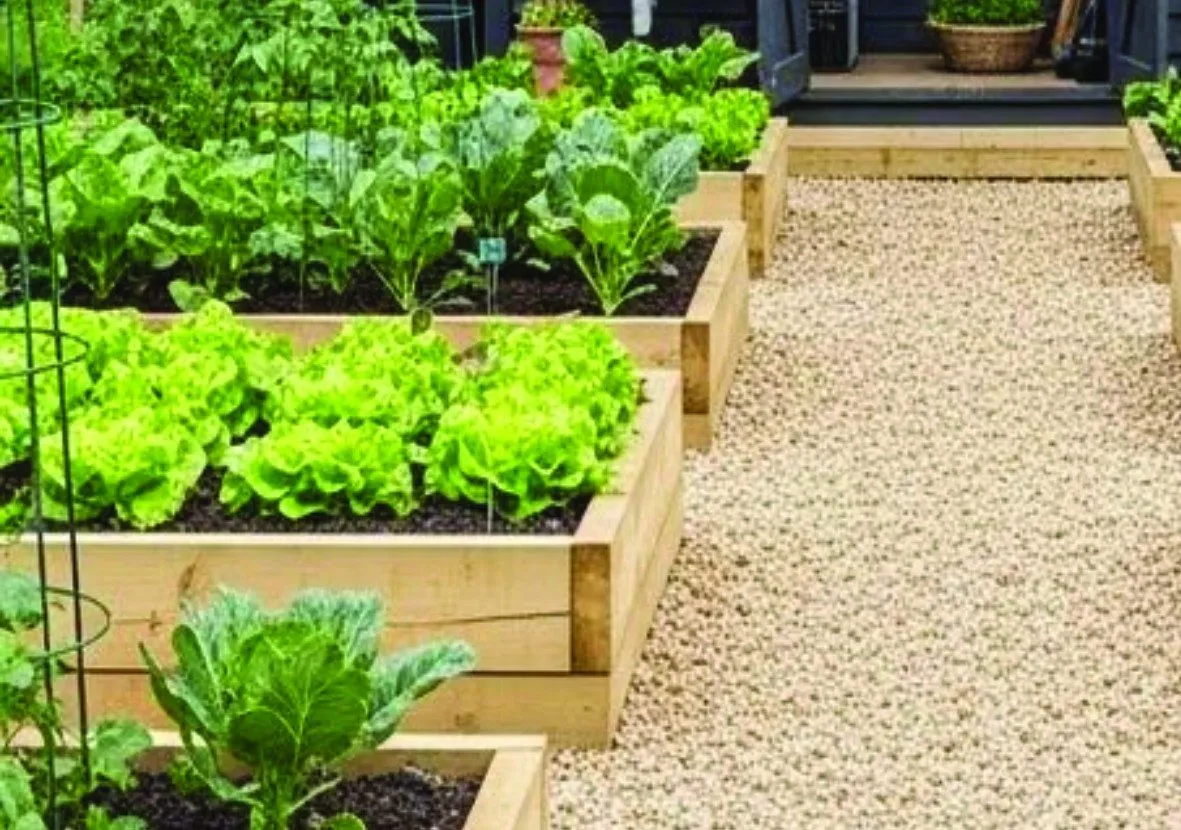
The Garden: Putting It to Bed Without Tucking In the Pests
Once the frost has had its say, the garden starts looking like the morning after a party. It’s tempting to leave it all until spring. Some of it you should leave. Some of it, not so much.
- Pull anything that was sick. Tomatoes with blight or squash with powdery mildew should come out and go in the trash, not the compost. Most backyard compost piles don’t get hot enough to kill disease, so you’d just be saving it for next year like a terrible souvenir.
- Leave the healthy stuff (some of it). Healthy plant roots left in the ground break down and feed the soil. Cutting healthy plants off at the base and leaving the roots is lazy and good for the soil. Rare combo.
- Use your leaves. Shredded fall leaves make excellent free mulch for beds. Run them over with the mower first so they don’t mat into a soggy layer.
- Test the soil. Fall is a great time to send a sample off for a soil test, so you know what to add before spring instead of guessing. Guessing is how you end up with a garden full of very tall, very leafy plants that refuse to produce anything.
- Clean and put away tools. Knock the dirt off, dry them, and maybe give metal parts a light coat of oil. Future you, standing in the garage in April, will appreciate not having to chisel last year’s mud off a shovel.
Garlic: The One Thing You Plant While Everything Else Shuts Down
Garlic is the contrarian of the garden. While everything else is calling it a year, garlic wants to go in the ground. In Wisconsin, that usually means sometime in October, a few weeks before the ground freezes, so the cloves can put down roots without sending up much top growth.
The basics: break a head into individual cloves, plant them pointy end up a couple of inches deep and several inches apart, and once the soil has cooled, cover the bed with a thick layer of straw or shredded leaves. Then you walk away and forget about it for about six months, which is honestly the kind of gardening I can get behind. Use garlic meant for planting from a seed supplier or a local grower, since grocery store garlic is sometimes treated to keep it from sprouting and may not be suited to a cold climate.
Hardneck varieties tend to do best up here. They handle the cold better, and as a bonus they send up curly flower stalks called scapes in early summer, which you can snap off and cook. It’s basically a free extra harvest for remembering to do something in October.
A Few Things That Always Sneak Onto the List
- Drain and coil the hoses before they freeze into modern art.
- Check fencing and runs for gaps, because predators get hungrier and bolder as the season turns.
- Stock up on feed and bedding before the first big snow makes the farm-store run a whole expedition.
- Find the extension cords, headlamp, and good gloves and put them somewhere you’ll remember. You won’t remember. But it’s nice to try.
Why Bother Doing It Now
Nothing on this list is hard. That’s the trap. It’s all so easy that it’s easy to put off, until the hose is frozen, the waterer’s dead, and you’re out there in the dark wondering why past you had other priorities.
October is the last stretch of the year where farm chores happen in a sweatshirt instead of three layers and a sense of grim determination. The more of this you knock out now, the more winter turns into a season of quick morning check-ins and a lot of hot coffee, instead of a season of emergencies. That’s the goal, anyway. Winter in Door County has a sense of humor too, and it’s usually drier than mine.
What’s on your fall list this year? If you’ve got a trick for keeping duck water from turning into a skating rink, I’m all ears.