

This weekend Mae headed out of town for her baby shower with her extended family. Which meant the farm was left in my capable hands. You can probably guess where this is going.
In the span of about three days I became a duck nurse, a detective, and, without anyone asking me, the proud foster parent of eleven chicks. Nobody tells you that “watching the farm for the weekend” can come with plot twists.
Meanwhile, in the quarantine ward
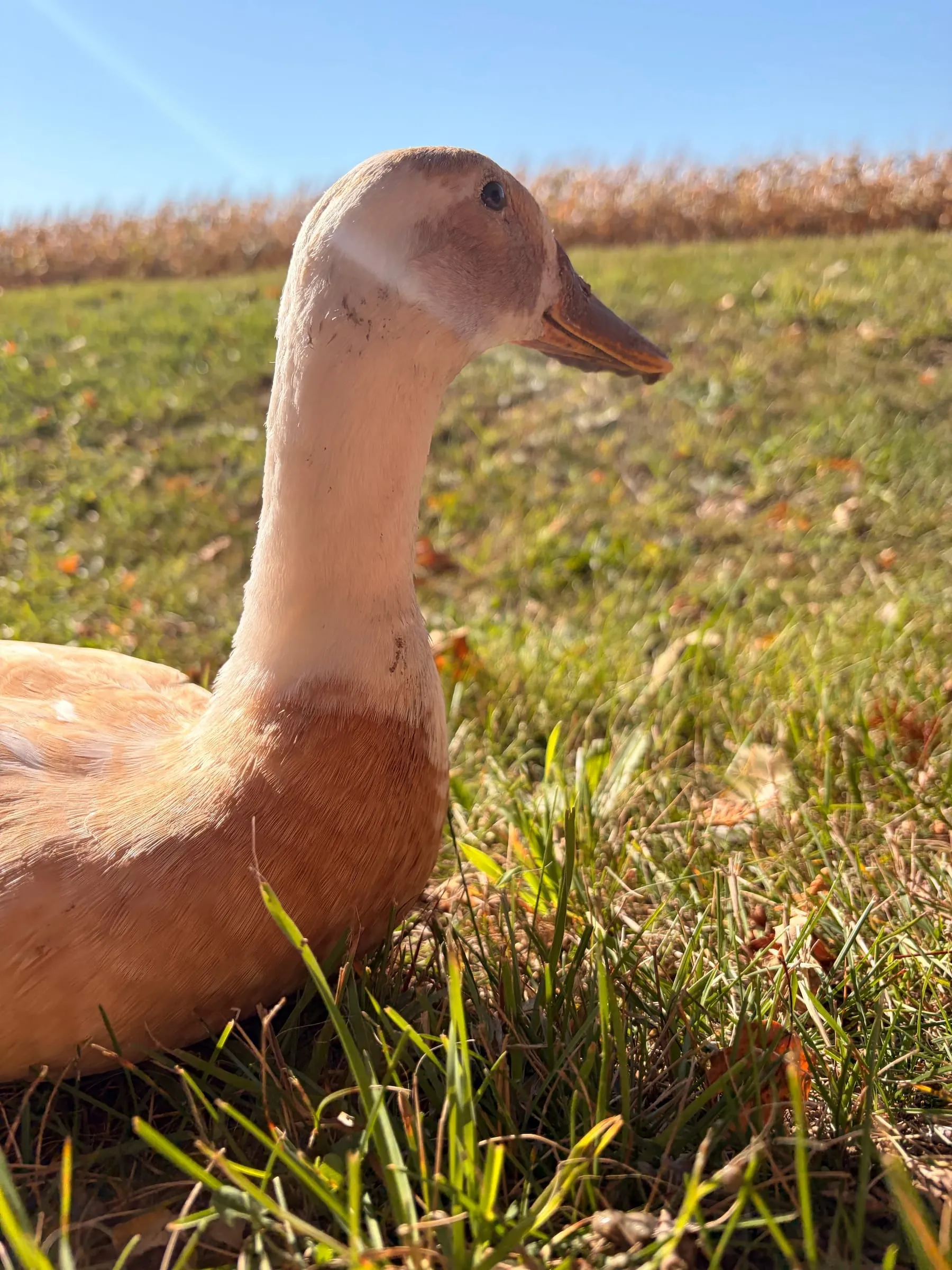
Right as Mae left, one of our runner ducks got sick. She stopped eating, which for a duck is a big red flag. Ducks treat every waking moment as a buffet, so a duck that turns down food has something going on.
She moved into the quarantine cage inside the chicken coop. That’s the same quarantine zone I covered with a metal roof during the coop makeover, so apparently I built the hospital wing just in time. Being there keeps her away from the rest of the ducks in the duck house, keeps her calm, and lets me keep an eye on her.
Then I started playing detective. The week before, all the ducks and chickens were out free-ranging, and they wandered right past our burn pile. Our burn pile, like probably every burn pile on every farm in America, is full of old scrap wood, and old scrap wood comes with nails, screws, nuts, bolts, and other mystery metal. Once the wood burns away, all of that hardware is just sitting in the ash, looking shiny and interesting to anything with a beak.
After a lot of reading, my best guess is something called hardware disease.
So what is hardware disease?
“Hardware disease” is the farm nickname for what happens when an animal swallows metal. You’ll hear it most with cattle, but poultry, and ducks especially, are champion metal-eaters. Ducks dabble and shovel up whatever is on the ground, and birds naturally swallow small hard objects to help their gizzard grind food. To a duck, a screw in the ash pile looks a lot like a nice crunchy rock.
Once that metal is inside, it can cause trouble in two ways:
- Physical damage. Sharp things like nails, screws, staples, and bits of wire can poke or tear the digestive tract, especially the gizzard, which is basically a muscular rock tumbler. That can lead to pain, infection, or a blockage.
- Heavy metal poisoning. A lot of hardware is galvanized (zinc coated), and older metal, paint, and solder can contain lead. The gizzard grinds and the stomach acid works on that metal, and the bird slowly absorbs zinc or lead into its system. Burning can make some coatings break down too, which is one more reason burn pile metal is bad news.
Signs to watch for
The tricky part is that the symptoms look like a dozen other duck problems. Common ones include:
- Not eating, or losing interest in food
- Lethargy, standing hunched, or isolating from the flock
- Weakness, wobbling, or trouble standing or walking
- Drooping wings or a droopy head
- Weight loss, which you’ll feel along the keel (breastbone)
- Green or unusual droppings, which can show up with lead poisoning
Some of those overlap with niacin deficiency, which is a classic duck problem because ducks need a lot more niacin than chickens do. That’s part of why I can’t say for sure which one we’re dealing with. The honest answer is that the only way to really know is an x-ray, which an avian or poultry vet can do. Metal shows up beautifully on an x-ray. A vet can also run blood tests for lead and zinc and treat poisoning with chelation medicine that pulls the metal out of the body. Our runner hasn’t been to the vet, so for now this is my educated guess, not a diagnosis.
What I’m doing about it
Whether it’s hardware disease or niacin deficiency, one thing was crystal clear: a duck that isn’t eating is a duck that won’t make it. So job number one became getting food into her.
I’ve been blending her feed with activated charcoal capsule powder into a slush and feeding it to her with a syringe. Activated charcoal is something a lot of backyard keepers reach for when they suspect a bird ate something toxic, since it can bind some toxins in the gut. It won’t magically pull a screw out of a gizzard, though, and it can bind nutrients and medications too, so it’s a stopgap and not a cure.
She gets about 30 mL of the slush every three to four hours. I’m trying not to overfeed her, because stuffing a sick bird is its own problem. We’re about three days into this routine now.
For the record, she does not appreciate any of it. If you’ve never had a duck give you a look of pure betrayal while you squirt gray sludge into her mouth, I can’t recommend it. But she’s getting fed, and that’s what matters right now.
Lesson learned: deal with the burn pile
The best treatment for hardware disease is never giving them the chance to eat hardware. If you have a burn pile and free-range birds, a few easy fixes:
- Fence off the burn pile, or burn somewhere the flock can’t get to.
- Run a magnetic sweeper (the rolling magnet kind used in shops and on job sites) over the ash and the ground around it after every burn.
- Pull obvious nails, screws, and hardware out of scrap wood before it goes on the pile.
- Walk your free-range areas now and then and pick up stray metal. Birds will find it before you do.
If your bird is showing the signs above, especially if you know there’s metal in their area, call an avian or poultry vet. I’m a guy with a blender and a syringe, not a veterinarian.
And then, a chirp
This morning I headed out to let the ducks and geese out, and halfway there I heard a tiny chirp. My brain immediately said, “That sounds exactly like a chick.” Then it said, “That’s impossible. It’s mid-October. We don’t have chicks.”
Brain, it turns out, was wrong.
A few steps later, a little chick scurried across the ground and ran behind the duck house to a hen sitting there. I went to pick up the hen, she shifted, and ten more chicks came pouring out from underneath her like a clown car.
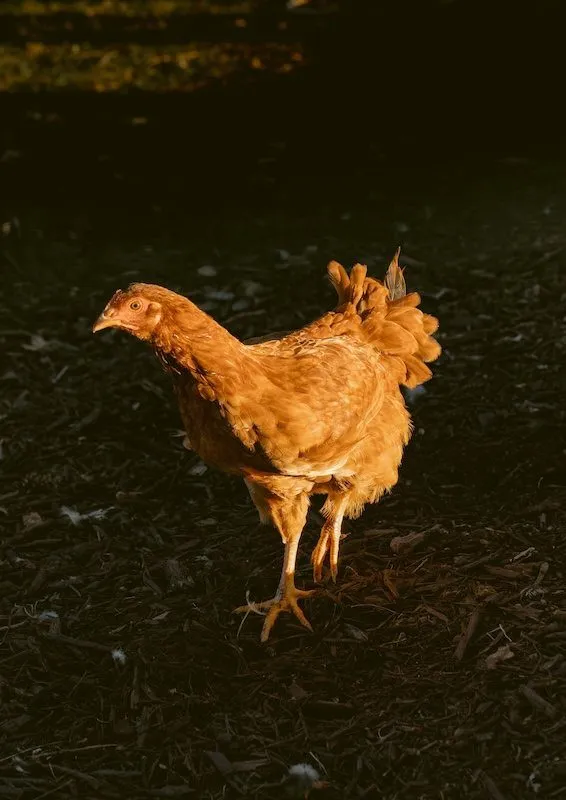
The culprit is our French Copper Marans hen. She’s only about seven months old, and she apparently decided she was done with our nesting boxes. She dug herself a dirt hole under the duck house, laid her eggs there, sat on them, and hatched them, all without telling anyone. Eleven chicks. In October. Under the duck house. No notes.
The emergency micro-brooder
Mid-October in Door County isn’t exactly prime time for brand-new chicks, so I scooped all eleven into a bucket, with a very unhappy mother hen making her opinions known, and ran them into the house.
From there it was a speed run: grab some totes, fill them with bedding, add a heat lamp, set out water, and call it a brooder. We didn’t have chick feed on hand, so until we can get to the store I’m blending our regular layer feed in the blender so it’s small enough for them to eat. Layer feed has a lot more calcium than chicks should have long term, so chick starter is first on the shopping list. But for a day or two, they’re eating, and that’s the goal.
From the looks of them, some are less than a day old and some might be closer to a week old, so this hen may have been running her secret operation longer than I’d like to admit. Either way, everyone is in their new micro-brooder drinking water, eating, and doing what chicks do best, which is taking an unbelievable number of naps.
Welcome home, Mae
So Mae gets to come home from a weekend celebrating our baby and find out the farm had a few babies of its own while she was gone. I’d love to say I planned it. I did not plan it. That’s just kind of how things go on the farm: you leave for a weekend and come back to a sick duck, a vet-school-level research project, and eleven surprise chickens.
I’ll keep you posted on our runner duck and the chicks. In the meantime, go check your burn pile. And maybe look under your duck house.